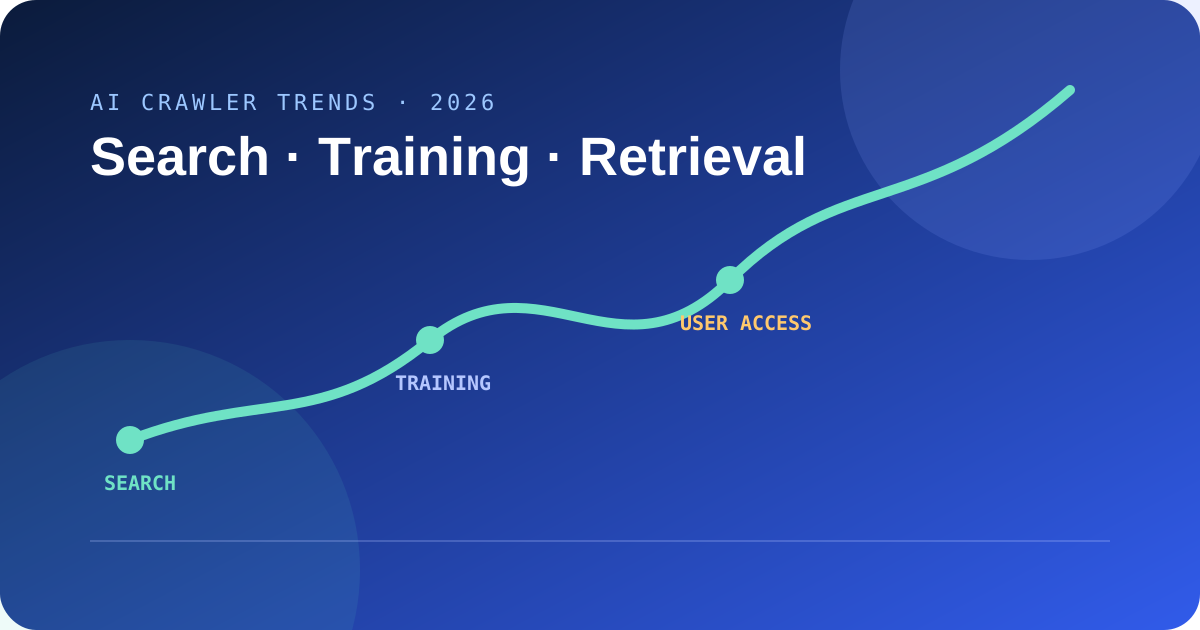
AI Crawler Trends in 2026: Search, Training and Agentic Access
The major 2026 AI crawler trend is specialization: separate bots now handle model training, AI search and user-directed retrieval.
Read articleTest robots.txt, AI bot permissions, discovery files and indexability signals for documented crawler tokens.
Six evidence-led guides covering search, retrieval, policies, effective access and responsible crawler research.
The major 2026 AI crawler trend is specialization: separate bots now handle model training, AI search and user-directed retrieval.
Read article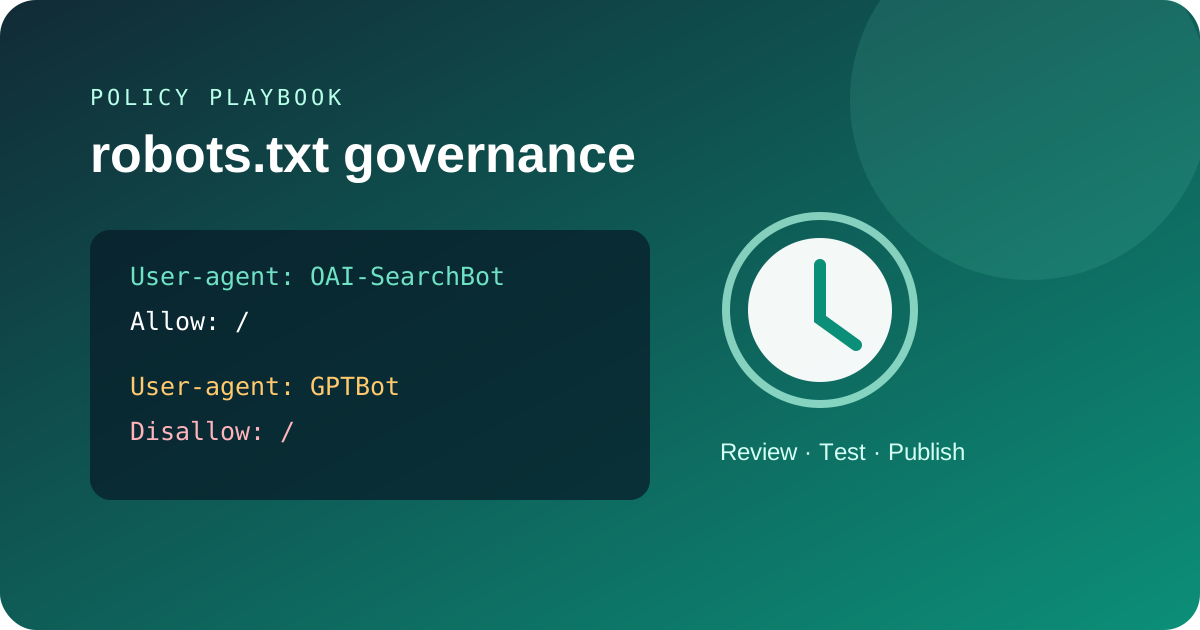
Why crawler governance is moving from blanket rules to documented, purpose-specific policies backed by testing and change control.
Read article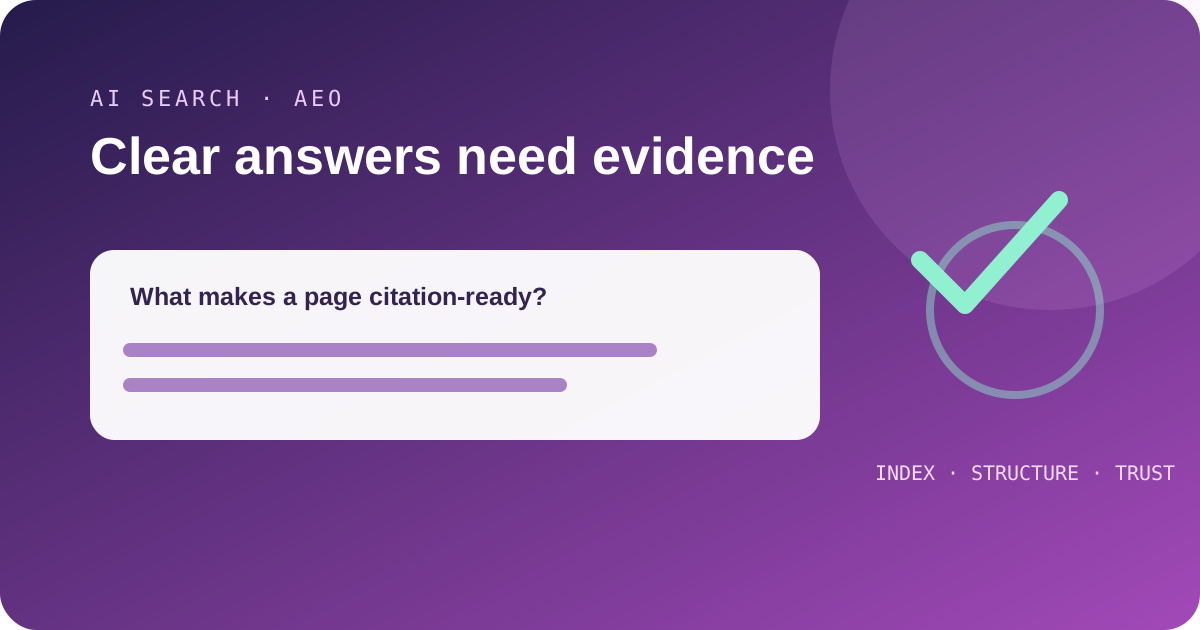
A practical view of 2026 AEO trends: indexable content, original evidence, clear answers and measurement without ranking myths.
Read article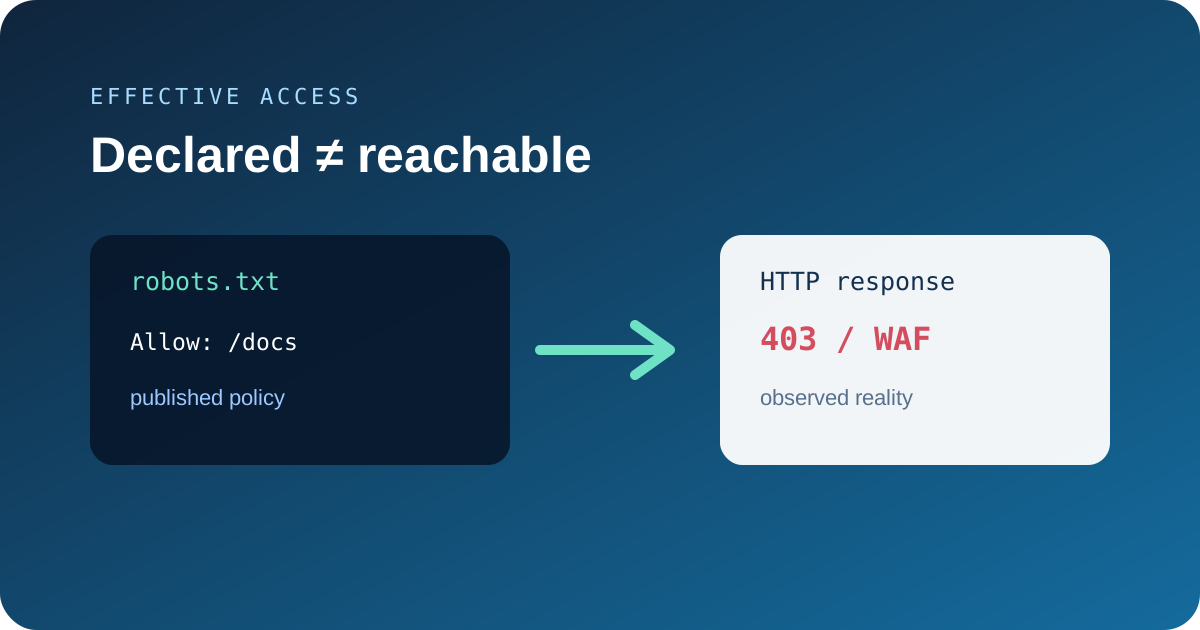
A practical guide to comparing published crawler rules with real HTTP, CDN and WAF responses.
Read article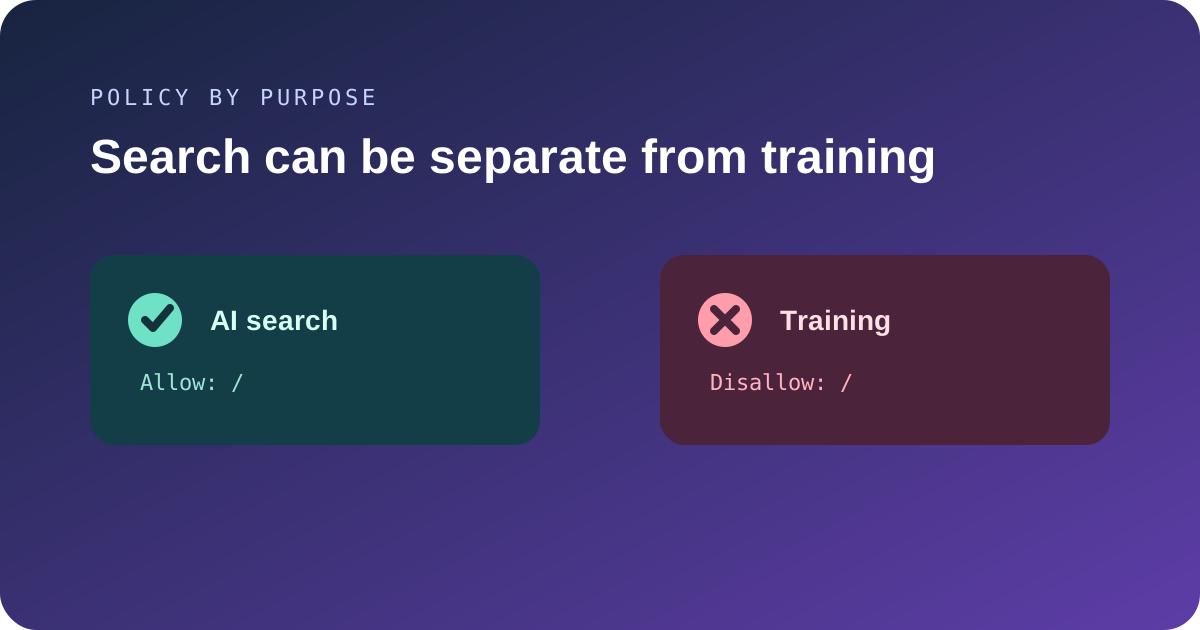
A purpose-based robots.txt pattern for publishers who want search discovery without blanket permission for training crawlers.
Read article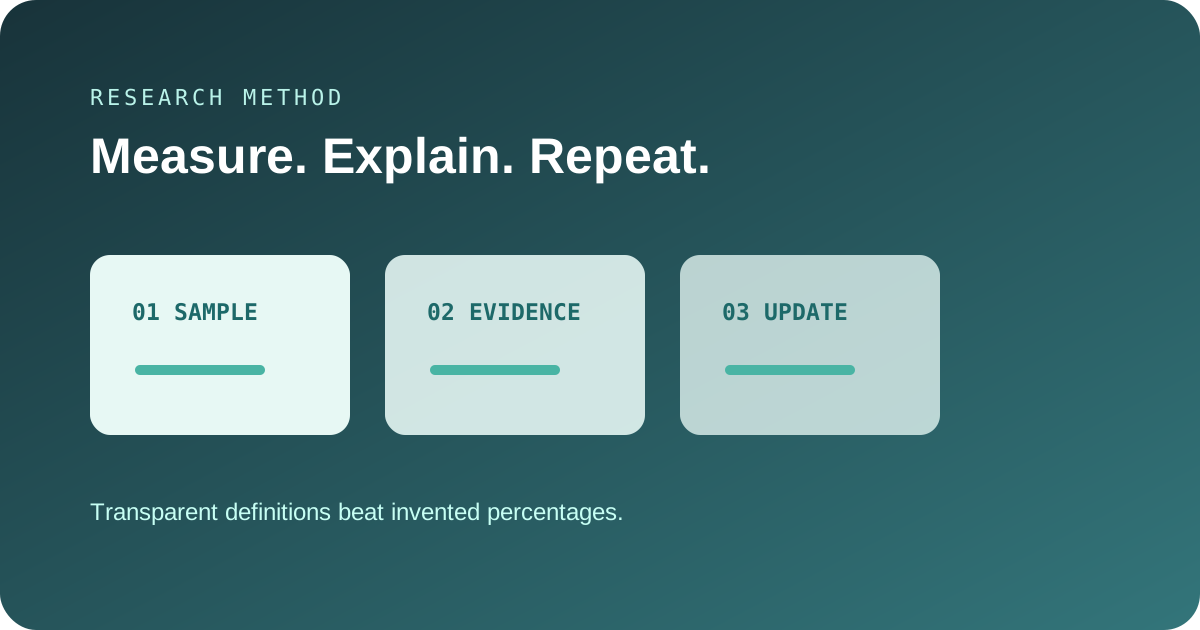
A reproducible methodology for measuring crawler policies across websites without publishing fabricated percentages.
Read articleA quick guide to the limits and signals the audit actually measures.
Transparent crawler analysisIt reads the public robots.txt policy, documented crawler tokens, discovery files, technical responses and indexability signals. A verdict is evidence about the tested URL at a point in time, not a promise of visits or citations.
Often, yes. Search, training and user-triggered retrieval can use different user-agent tokens. Review each provider’s current documentation and publish explicit groups rather than one blanket rule.
No. robots.txt communicates preferences to compliant crawlers. Use authentication and authorization for private or sensitive material.
The public checker is designed for quick, keyless checks. It fetches public evidence and does not replace server logs, Search Console or a legal review.